Find Grain Bagger for Flour, Rice, and Wheat Processing
Explore 30 grain bagger options designed for flour, rice, and wheat applications. Compare specifications such as bagging performance, hopper size, and power requirements to identify the right equipment for your facility's throughput needs; compare the available evidence and request quotations based on your requirements.
Key considerations
Products List


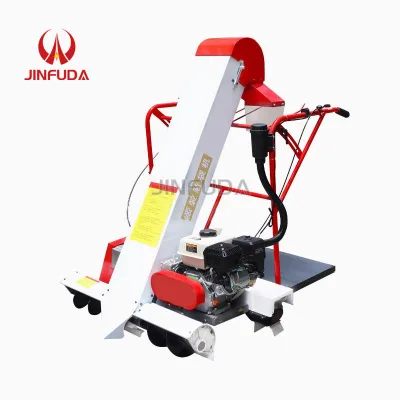


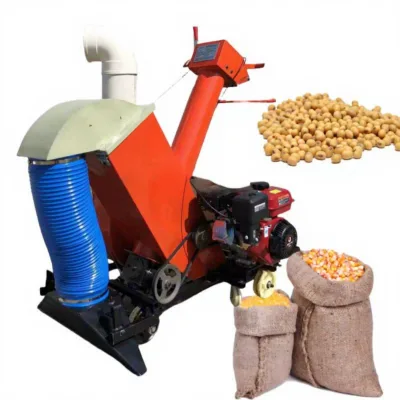


Comprehensive Sourcing Guide
Grain Bagger Sourcing Guide
Procuring industrial grain bagging equipment requires a strategic approach that balances throughput capacity with operational flexibility. Buyers must first define their specific material handling needs, whether for flour, rice flour, starch, beans, or wheat, as the machinery must accommodate these diverse bulk solids. The observed market signals indicate a strong availability of vertical silo-style units designed for ambient temperature processing, which are critical for maintaining product integrity during high-volume operations. Understanding these application constraints is the foundational step in selecting a system that minimizes dust generation and maximizes filling efficiency.
The sourcing landscape features a wide range of configurations, from semi-automatic filling and sealing units to fully integrated vertical silo systems. Buyers should note that customization is widely available, allowing for tailored solutions that fit specific facility layouts and production workflows. This flexibility extends to physical dimensions and power requirements, meaning that off-the-shelf models may not always align with existing infrastructure. Consequently, early engagement with suppliers to clarify these customization options ensures that the selected grain bagger integrates seamlessly into the broader material handling ecosystem without requiring extensive facility modifications.
Product Scope and Observed Listing Signals
The current market offers a diverse array of grain bagging solutions, primarily characterized by vertical silo structures and specialized filling mechanisms. Listings frequently highlight models with specific dimensions, such as those with diameters ranging from 1.5 to 3.6 meters, indicating a focus on large-capacity storage and processing units. These systems are often designed for general construction conditions and are marketed with moisture-proof performance attributes, which are essential for protecting sensitive agricultural products like starch and flour from environmental degradation during the bagging process.
Observed listing signals also reveal a significant variation in packaging and shipping methods, reflecting the logistical complexity of transporting heavy industrial machinery. Buyers may encounter options ranging from wooden cases and framework packaging to fumigated pallets with boxes, depending on the supplier and the specific model selected. This variability underscores the importance of verifying logistical requirements early in the procurement process. Additionally, the presence of OEM capabilities suggests that buyers can brand the equipment or request specific design modifications, adding value for companies looking to standardize their operational equipment across multiple facilities.
Technical Specifications to Verify
Verifying technical specifications is paramount to ensuring the grain bagger meets production demands. Key parameters to confirm include the power requirements, which typically range from 50 to 100 HP, and the bagging performance, which can vary between 150 and 250 tons per hour. Buyers must also assess the physical dimensions of the feeding hopper, with observed sizes reaching up to 2.4 meters by 2.4 meters, to ensure compatibility with upstream conveying systems. The forming function, which generally includes filling and sealing, must be validated against the specific bag types and materials used in your operation to prevent operational bottlenecks.
Further technical due diligence should focus on the automatic grade and core components of the machinery. While some units are described as semi-automatic, others may offer higher levels of automation, impacting labor costs and operational consistency. The core components, such as the engine, are critical for long-term reliability and should be evaluated for quality and durability. Additionally, buyers should verify the weight of the equipment, which can vary significantly from 100 kg for smaller units to 2000 kg for larger silo systems, to ensure that the facility floor can support the load and that appropriate lifting equipment is available for installation.
Compliance and Safety Documentation
Compliance and safety documentation form the backbone of a responsible procurement strategy for industrial machinery. Buyers should request machinery test reports, which are often provided by suppliers, to verify that the equipment meets specific performance and safety benchmarks. These reports are crucial for validating the reliability of the core components and ensuring that the machine operates within safe parameters during high-speed bagging operations. Without such documentation, buyers risk investing in equipment that may fail to meet regulatory standards or operational expectations, leading to costly downtime and potential safety hazards.
In addition to test reports, buyers must ensure that the supplier provides comprehensive warranty and support documentation. A standard one-year warranty is commonly observed, but the terms and coverage details should be clearly understood before purchase. This documentation should outline the scope of support for core components and any potential maintenance requirements. Furthermore, buyers should verify that the equipment complies with relevant electrical and mechanical safety standards, particularly given the high power requirements and moving parts involved in the bagging and sealing processes.
Cost Drivers and Commercial Terms
Understanding the cost drivers associated with grain bagging equipment is essential for accurate budgeting and total cost of ownership analysis. The price range in the market is extensive, reflecting variations in capacity, automation level, and customization options. Buyers should consider not only the initial purchase price but also the power consumption, which is influenced by the 50-100 HP requirement, and the maintenance costs associated with the core components. The weight and dimensions of the unit also impact shipping and installation costs, which can be significant for large vertical silo systems.
Commercial terms, including minimum order quantities and payment structures, vary among suppliers. While some listings indicate an MOQ of just one piece, others may have different requirements based on the level of customization or the specific model selected. Buyers should negotiate clear terms regarding delivery, packaging, and after-sales support. The availability of OEM services may also influence pricing, as custom branding or design modifications can add to the overall cost. Transparent communication about these commercial terms helps avoid unexpected expenses and ensures a smoother procurement process.
Supplier Qualification and Quality Control
Supplier qualification is a critical step in mitigating procurement risks and ensuring the delivery of high-quality grain bagging equipment. Buyers should verify the supplier’s place of origin, with common locations including Henan, Shandong, and other regions in China, to assess their manufacturing capabilities and industry reputation. Requesting references or case studies from previous clients can provide valuable insights into the supplier’s reliability and the performance of their equipment in real-world applications. This due diligence helps identify suppliers who have a proven track record of delivering robust and efficient bagging solutions.
Quality control measures should be rigorously evaluated before finalizing any purchase. Buyers should inquire about the supplier’s quality assurance processes, including how they inspect core components and conduct final testing before shipment. The provision of machinery test reports is a positive indicator, but buyers should also ask about the supplier’s policy for handling defects or performance issues. Establishing a clear communication channel for post-sale support ensures that any technical challenges can be addressed promptly, minimizing disruption to your production operations and protecting your investment in the new equipment.
Long-Term Procurement Checks
Long-term procurement checks focus on the sustainability and scalability of the grain bagging investment. Buyers should consider the availability of spare parts and the ease of maintenance for the equipment, particularly for high-wear components like the sealing mechanisms and engines. A supplier’s ability to provide ongoing technical support and training is crucial for ensuring that your operational team can maintain the equipment effectively over time. This long-term support can significantly reduce downtime and extend the lifespan of the machinery, providing a better return on investment.
Additionally, buyers should evaluate the supplier’s capacity for future upgrades or expansions. As production needs grow, the ability to scale up bagging operations or integrate additional units becomes important. Suppliers who offer modular designs or compatible accessories can facilitate this growth without requiring a complete system overhaul. By prioritizing suppliers who demonstrate a commitment to long-term partnership and continuous improvement, buyers can ensure that their grain bagging infrastructure remains competitive and efficient in the evolving agricultural and food processing landscape.
FAQs
What is the bagging performance capacity of the DCS grain bagger?
The DCS grain bagger offers a bagging performance of 150 to 250 tons per hour. This high throughput supports efficient processing for flour, rice flour, starch, beans, and wheat. The machine is designed for continuous operation in industrial settings, ensuring consistent output rates for large-scale agricultural and food processing facilities requiring rapid packaging solutions.
Can the grain bagger be customized for specific applications?
Yes, the grain bagger supports full customization to meet diverse operational needs. It is suitable for various materials including flour, rice flour, starch, beans, and wheat. Buyers can request specific dimensions, colors, and packaging formats. The OEM service allows for tailored engineering solutions, ensuring the equipment integrates seamlessly into existing production lines and workflow requirements.
What are the standard dimensions and weight of the grain bagger?
Standard dimensions vary by model, with some units measuring 1100 by 800 by 2550 millimeters, while others reach 3300 by 3900 by 3700 millimeters. Weights range from 100 kilograms for smaller components to 2000 kilograms for larger silo-style structures. These specifications ensure stability and durability during high-volume grain bagging operations in various industrial environments.
What power requirements are needed for the grain bagger operation?
The grain bagger typically requires 50 to 100 horsepower to operate effectively. This power range supports the mechanical functions of filling and sealing bags at high speeds. The engine is a core component, ensuring reliable performance under load. Proper power supply is essential for maintaining the specified bagging performance of 150 to 250 tons per hour.
What warranty and support are provided for the grain bagger?
The grain bagger comes with a one-year warranty covering core components and general construction. Machinery test reports are provided to verify performance before shipment. The equipment is new and designed for ambient temperature operation. Support includes documentation and guidance for installation, ensuring buyers can maintain the machine effectively throughout its operational lifecycle with minimal downtime.
How is the grain bagger packed for international shipping?
The grain bagger is packed using wooden cases, framework packaging, or fumigated pallets with boxes. These methods protect the machinery during sea transportation. The packaging is designed to withstand long-distance logistics while preventing damage to sensitive components. Buyers receive detailed packing lists to ensure all parts arrive safely and can be assembled quickly upon delivery to the destination site.